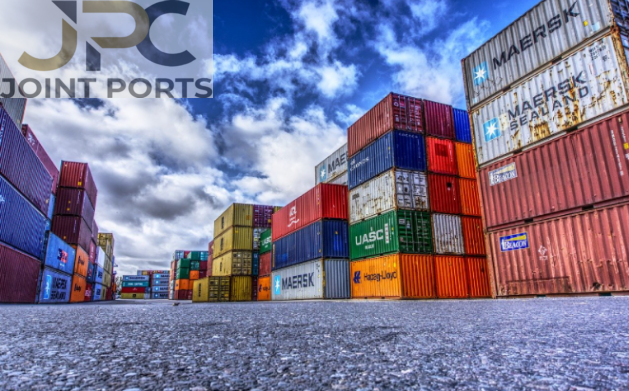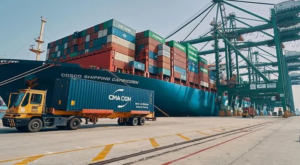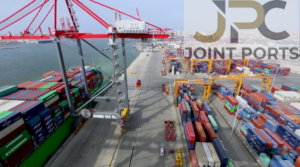
Customs Clearance in Saudi Arabia represents one of the most important procedures adopted by the Kingdom to regulate import and export operations, as it allows goods to legally enter and leave the country. This process begins the moment the shipment arrives at the customs port, followed by inspection, review of the required documents, determination of the applicable customs duties, and finally issuing a permit allowing the client to receive the shipment.
In this context, the role of the customs clearance agent, such as JOINT PORTS, becomes essential in facilitating the process. The agent handles the preparation and submission of all required documents, follows up on inspections and government procedures, communicates with the relevant customs authorities, and helps reduce delays by minimizing errors—making the agent a vital element in ensuring smooth and efficient import and export operations.
The Importance of Customs Clearance in Saudi Arabia
Customs clearance plays a vital role in supporting trade and regulating the entry of goods. Its importance can be summarized as follows:
- Regulating the movement of goods entering and leaving the country
- Protecting the local market from counterfeit or low-quality products
- Imposing customs duties that contribute to state revenue
- Reducing risks associated with random or uncontrolled importing
- Ensuring goods comply with Saudi standards and specifications
- Speeding up trade processes and reducing waiting times at ports
Required Documents for Customs Clearance in Saudi Arabia
The customs clearance process requires submitting several key documents, divided into two main categories:
First: Shipment Clearance Documents
- Commercial Invoice: Includes product details, value, sender, and receiver.
- Certificate of Origin: Specifies the manufacturing country and may reduce duties based on trade agreements.
- Bill of Lading: Issued by the shipping company and includes full shipment information.
- Packing List: Contains detailed information about packages and contents.
- Special Certificates: Such as conformity certificates, fumigation certificates, health or agricultural certificates depending on the type of goods.
Second: Documents for Receiving the Shipment
- Commercial Registration
- Tax Certificate
- Import License
- Bank Transfer Document
- Customs Handling Card
- Authorization for the customs clearance agent
Stages of Customs Clearance in Saudi Arabia (Step-by-Step)
The customs clearance process goes through organized stages, including:
- Shipment arrival at the customs port and beginning of unloading and initial inspection.
- Preparing and submitting required documents through the customs agent or electronic platforms.
- Obtaining delivery authorization from the shipping agent, such as Joint Ports Marine Services.
- Registering the customs declaration to specify the type and value of goods.
- Shipment inspection by customs officers to ensure compliance with documentation.
- Determining customs duties and applicable taxes.
- Paying customs duties electronically or through authorized channels.
- Issuing the customs release permit and allowing the shipment to exit after completing all procedures.
The Customs Declaration and Its Role in the Clearance Process
The customs declaration is the main document used by the customs system to display complete shipment information, including:
- Importer/exporter details
- Type and value of goods
- Country of origin
- Bill of lading number
- Applicable customs duties
The customs declaration serves as the primary reference for accurate and transparent customs clearance.
Contact Information for JOINT PORTS
Phone:
- +966 555718513
- +966 530074643
Email:
Address:
- Jubail, Kingdom of Saudi Arabia
Services Contact:
- For customs clearance inquiries: [email protected]
- For operations and logistics: [email protected]
- General inquiries: [email protected]
Frequently Asked Questions About Customs Clearance in Saudi Arabia
Can I track my shipment using only the bill of lading number?
Yes, this can be done through the customs declaration inquiry service on the Customs Authority platform.
What are the most important documents required for customs clearance?
The commercial invoice, certificate of origin, bill of lading, packing list, and any special certificates depending on the shipment type.
How long does the customs clearance process take?
It usually takes from one day to several days depending on document readiness and the type of goods.
Does Joint Ports provide full customs clearance services?
Yes, the company offers comprehensive customs clearance services, covering all procedures until the shipment is delivered to the client.
Does Joint Ports provide customs clearance services outside the Kingdom?
Yes, Joint Ports provides customs clearance services within Saudi Arabia and worldwide, thanks to its strong expertise in international logistics and global import/export coordination—making it a trusted partner for regional and international shipments.
Can I track the shipment electronically?
Yes, through the Customs Authority platform or the FASAH platform.